
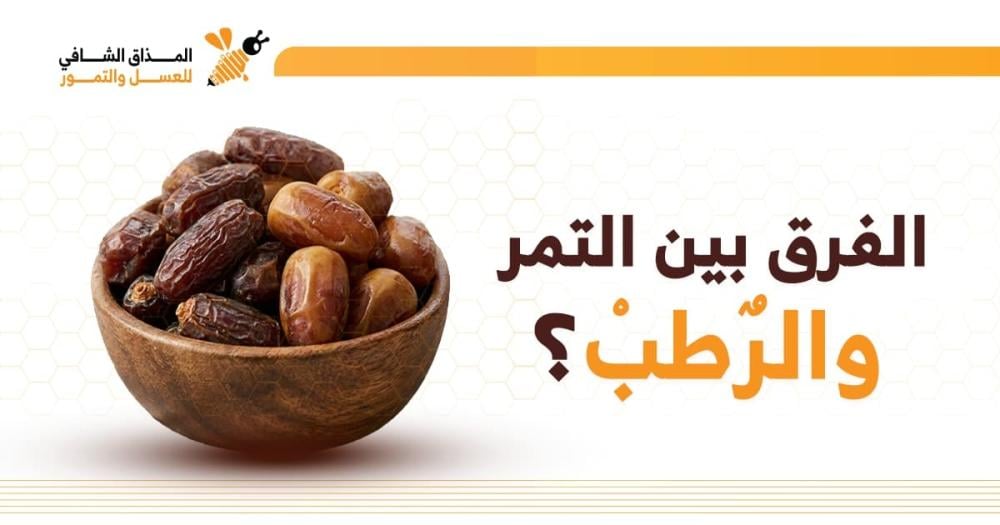

What is the difference between rutab and dates, and which is better for people with diabetes? Dates, throughout their different stages of ripeness, hold a special place on the Arab table. They are not simply a fruit with one fixed form, but rather the result of a ripening journey that the fruit of the date palm undergoes until it reaches its familiar final form. This is why many people confuse rutab with fully ripened dates, even though they are the same fruit at different stages of maturity. Understanding the difference can help you choose the option best suited to your health needs. In this article, we explain these differences in detail and discuss some of the most popular varieties of rutab and dates. Read on to learn more.
Stages of Date Palm Fruit Ripening
Date palm fruit generally passes through several successive stages before reaching the form we know. These stages are the basis for understanding the difference between rutab and dates, as follows:
1-The Bisr (Khalal) Stage
This is the first stage after the fruit has completed its growth. It is characterized by a green or light-yellow color, a relatively firm texture, and a higher starch content compared with its sugar content. At this point, it is still not at the ideal stage of consumption for most people. The fruit may be used at this stage in some traditional food products, but it is rarely eaten fresh because of its astringent taste.
2-The Rutab Stage
At this stage, the fruit begins to change gradually. Its texture softens, its moisture content rises noticeably, and a large proportion of its starch is converted into simple, easily absorbed sugars. Many people prefer this stage for its freshness and pleasant flavor. Its taste is also closer to that of fresh fruit than to the familiar flavor of dried dates.
3-The Date Stage (Full Ripeness)
This is the final stage of ripening, during which the fruit loses a substantial amount of moisture, becomes firmer, and gains a longer storage life. Its natural sugars also become more concentrated, making it a concentrated source of energy. This stage is the most widely available in markets because fully ripened dates are easy to transport and can be stored for long periods without spoiling.
The Difference Between Rutab and Dates in Appearance and Texture
Many people can easily distinguish rutab from dates by looking at their appearance or feeling their texture, based on the following points:
- Color: Rutab ranges from yellow to light red, often with brown patches indicating the beginning of full ripening, whereas dates tend to have a uniform dark-brown color.
- Texture: Rutab is soft and moist inside and may even be semi-liquid in some varieties, whereas dates have a firmer, slightly chewy texture because of their lower water content.
- Size: Rutab often appears larger because it retains more water, whereas dates shrink slightly after losing moisture.
- Ease of peeling: Rutab has a thin, delicate skin that separates easily, whereas the skin of dates adheres more closely to the flesh because of partial drying.
Differences in Nutritional Value and Calories
The fundamental difference between rutab and dates depends on the fruit's water content, which directly affects the concentration of nutrients in each:
Water Content
- Rutab: High water content, approximately 50-65%.
- Dates: Low water content, approximately 20-25%.
Calories per Fruit
- Rutab: Relatively lower.
- Dates: Relatively higher.
Sugar Content
- Rutab: Less concentrated.
- Dates: More concentrated.
Fiber
- Rutab: Present in moderate amounts.
- Dates: More concentrated because of drying.
Vitamin C
- Rutab: Relatively higher.
- Dates: Decreases during the drying process.
Minerals (Potassium, Iron, Calcium, and Phosphorus)
- Rutab: Moderate amounts.
- Dates: Relatively more concentrated in each fruit.
The drying process that transforms rutab into dates does not strip the fruit of its nutritional value, but it reduces its size and moisture content. This explains why one date contains more calories than a similarly sized rutab fruit. The lower water content of dates also makes them suitable for longer storage, whereas rutab remains a seasonal option that is eaten fresh during a limited period of the year.
Health Benefits of Rutab and Dates
Rutab and dates offer several important health benefits. Both contain antioxidants that help combat free radicals, may support brain health, and may help protect against certain chronic diseases when consumed in moderation. Their natural fiber content also contributes to healthy bowel movements.
Health Benefits of Rutab
Rutab has a high water content, making it beneficial for hydration. It is also richer in vitamin C than dried dates and is therefore often recommended for people seeking a lighter food option. Its relatively lower sugar concentration may make it suitable for people with cardiovascular conditions or high blood pressure. Rutab can also be a suitable choice on hot summer days because it helps replace fluids lost by the body.
Health Benefits of Dates
Dates are a rich, concentrated source of energy because of their natural sugar content. They are also rich in dietary fiber, which supports digestive health. This makes them suitable for people who require more calories, such as athletes or those undertaking strenuous physical activity, for whom Sukkari Al-Sagai dates may be recommended. Dates are also a convenient snack for anyone seeking a quick source of energy during fasting hours or periods of intense mental effort.
Rutab and Dates for People with Diabetes
Rutab may be more suitable for people with diabetes because, scientifically, its higher water content means its sugars are less concentrated, potentially making it a relatively lighter option. However, this does not mean that it is risk-free, as the glycemic index of dates in general varies according to the variety and stage of ripeness.
People with diabetes are therefore generally advised to limit their intake to between one and three pieces at a time, after consulting a specialist physician. When choosing dried dates, less-sweet varieties such as Sagai Dates may be preferable.
It is also preferable to eat rutab or dates with a source of protein or healthy fat, such as a handful of nuts, to help slow the rise in blood sugar after eating. In general, moderation is essential when consuming rutab or dates to avoid potential adverse effects.
The Difference Between Rutab and Dates During Pregnancy
Pregnant women need natural sources of minerals, nutrients, and energy, which may lead them to consider eating dates. According to several studies, pregnant women may prefer to avoid dates during the first few months as a precaution against potential harm. From the beginning of the fifth month, however, a pregnant woman may consume dates such as Sagai if she cannot tolerate high amounts of sugar, while she may consume rutab if her physician has advised her to increase her daily intake of sugars.
During the final weeks of pregnancy, dates are also recommended for their potential role in facilitating natural childbirth, while maintaining moderation and never treating either rutab or dates as a substitute for direct medical advice.
How to Store Rutab and Dates and Their Shelf Life
Storage methods differ between rutab and dates because the high moisture content of rutab requires special care. It is best refrigerated and consumed within a relatively short period of no more than two weeks, or frozen to extend its shelf life for several months without substantially affecting its texture after thawing. It is also advisable to divide it into airtight bags before freezing for easier use later.
Dates, by contrast, have a lower moisture content and can therefore be stored for long periods at room temperature or in the refrigerator. They may last for a full year or longer if kept in an airtight container away from moisture, heat, and direct sunlight. They should still be inspected from time to time for any signs of spoilage or mold.
Popular Varieties of Rutab and Dates
Many regions are renowned for producing high-quality dates. Some of the best-known varieties include:
- Sukkari Rutab: Known for its freshness, honey-gold color, soft texture, and sweet, melt-in-the-mouth flavor. Source
- Maftal Sukkari Dates: Characterized by a light-golden color, balanced sweetness, and a soft yet firm texture that makes them easy to eat.
- Ajwa Dates: A variety associated with Madinah and known for its high nutritional value.
- Medjool Dates: Known for their large size and fleshy texture, and regarded as a premium variety.
- Sagai: Characterized by its dark color and relatively lower sugar content compared with other varieties.
These date varieties differ in sugar and moisture content depending on the agricultural region, soil conditions, and surrounding climate. These factors give each variety its distinctive flavor and texture.
Potential Risks of Excessive Rutab and Date Consumption
Despite the many benefits of both rutab and dates, excessive consumption may cause several adverse effects and health risks, including:
- Weight gain: The high concentration of sugars and calories in rutab or dates may contribute to weight gain.
- Allergies: Some people may be allergic to dates, particularly fresh rutab.
- Kidney problems: Excessive consumption of dates or rutab may raise potassium levels in the body, potentially harming people with impaired kidney function.
- Digestive disorders: Excessive intake may cause stomach pain, bloating, or diarrhea because rutab and dates are high in fiber and sugars.
It is therefore always advisable to consume rutab and dates in moderation. The appropriate daily amount is generally determined according to each person's health, age, and level of physical activity.
Conclusion
The difference between rutab and dates primarily comes down to the stage of ripeness and the fruit's water content. Rutab is closer to the earlier stage of ripening: it is soft, rich in water, and contains less-concentrated sugars. Dates, meanwhile, represent the fully ripened stage and are characterized by a firmer texture and a higher concentration of sugars and energy. Both have high nutritional value, and the choice between them depends on your health needs and preferred time of consumption. Either can form part of a balanced diet when consumed in moderation.
Frequently Asked Questions
Are Dates the Same as Rutab?
No. They are the same fruit at two different stages of ripeness. Rutab is an earlier stage, while dates represent the fully ripened stage after the fruit has lost some of its moisture.
Which Is Better, Rutab or Dates?
Neither is universally better. The choice depends on your objective: rutab is more suitable for those seeking fewer calories and greater hydration, whereas dates are suitable for those who need a concentrated source of energy.
Does Rutab Contain More Sugar Than Dates?
No. The opposite is true: dates contain a higher concentration of sugar than rutab because their water content decreases as they dry.
What Is the Difference Between Khalal, Rutab, and Dates?
They are successive stages in the ripening of the same fruit. Khalal is the first, firm stage with a low sugar content, followed by the soft, intermediate rutab stage, and finally the date stage, when the fruit reaches full ripeness after partial drying.